Развитие глобальной инфраструктуры: Инновации GD Aluminium в области материаловедения отмечены в международной прессе
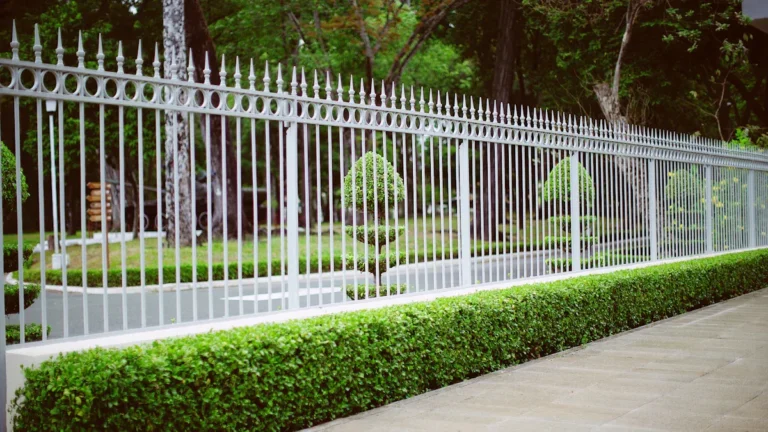
The Evolution of Coastal Infrastructure Logistics As maritime supply chains and coastal urban developments expand in 2026, инжиниринговые фирмы сталкиваются с растущими проблемами, связанными с деградацией материалов. High-salinity environments accelerate the oxidation of standard steel fencing, leading to catastrophic structural failures and prohibitive maintenance overheads. To counteract these logistical bottlenecks, global procurement networks are shifting toward advanced alloy solutions that unify structural resilience with stringent environmental compliance.
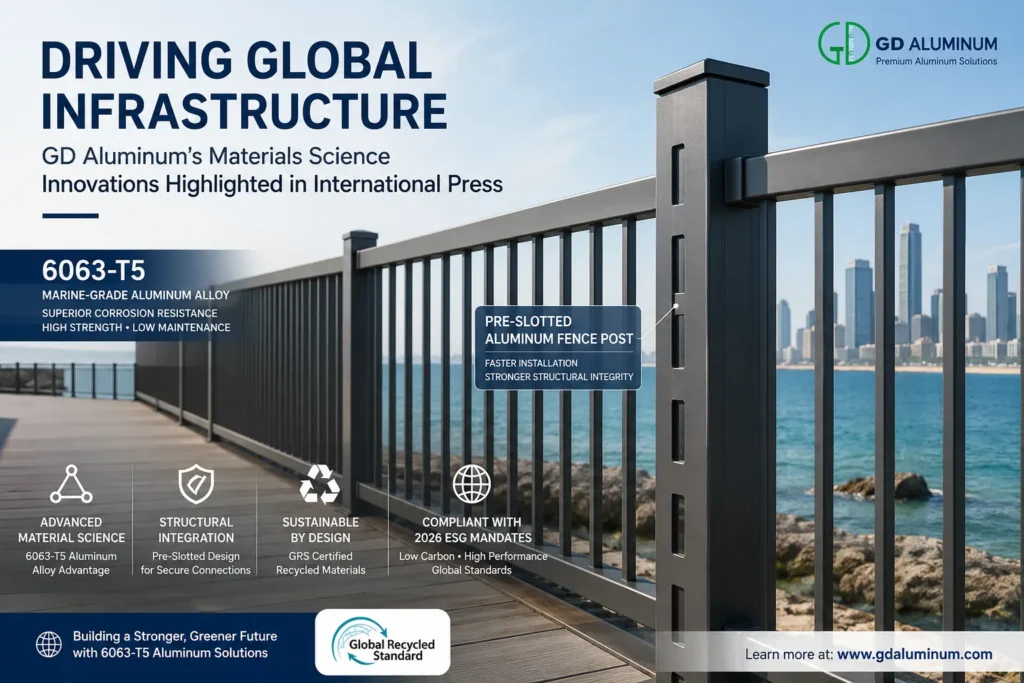
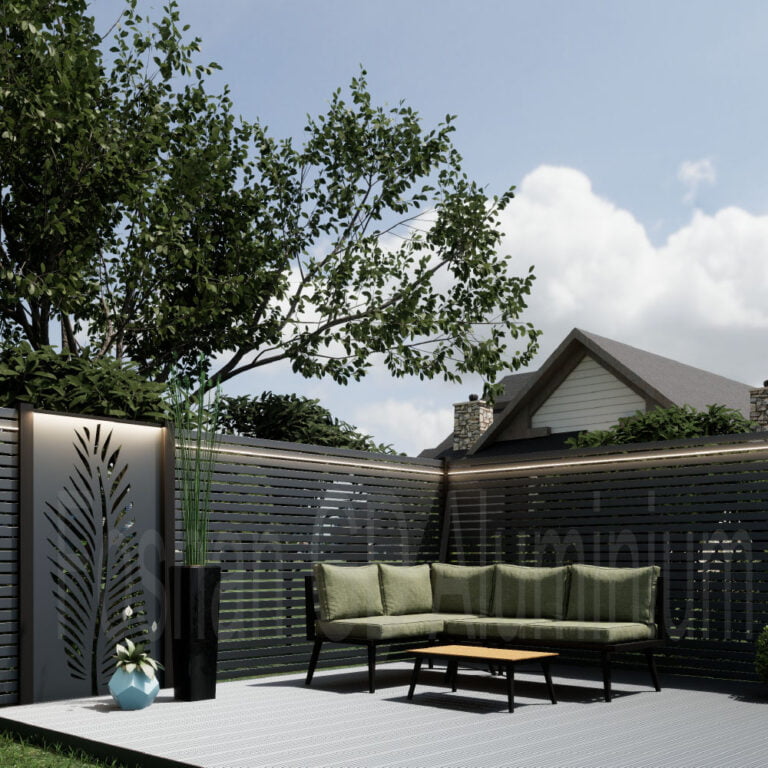
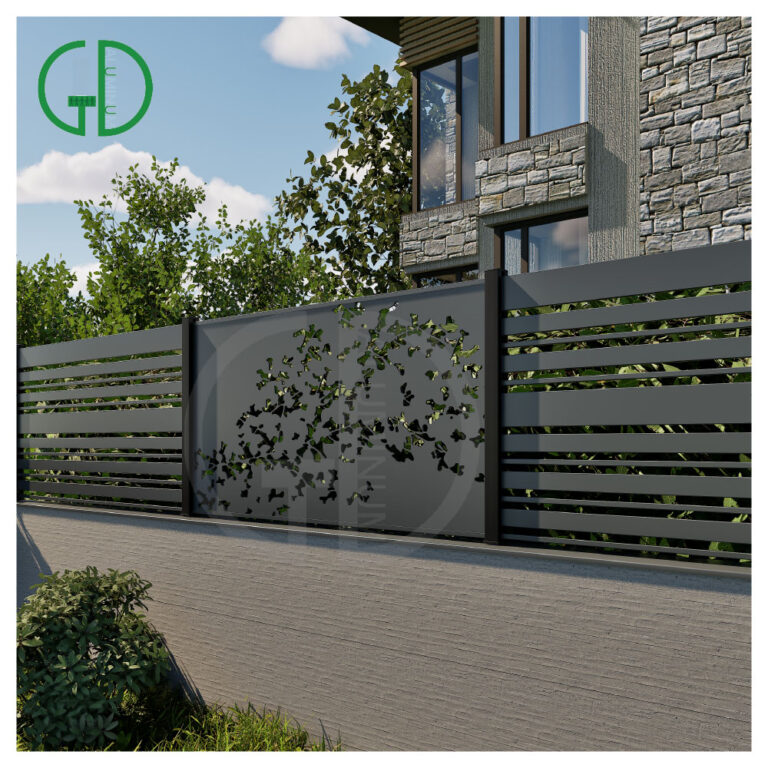
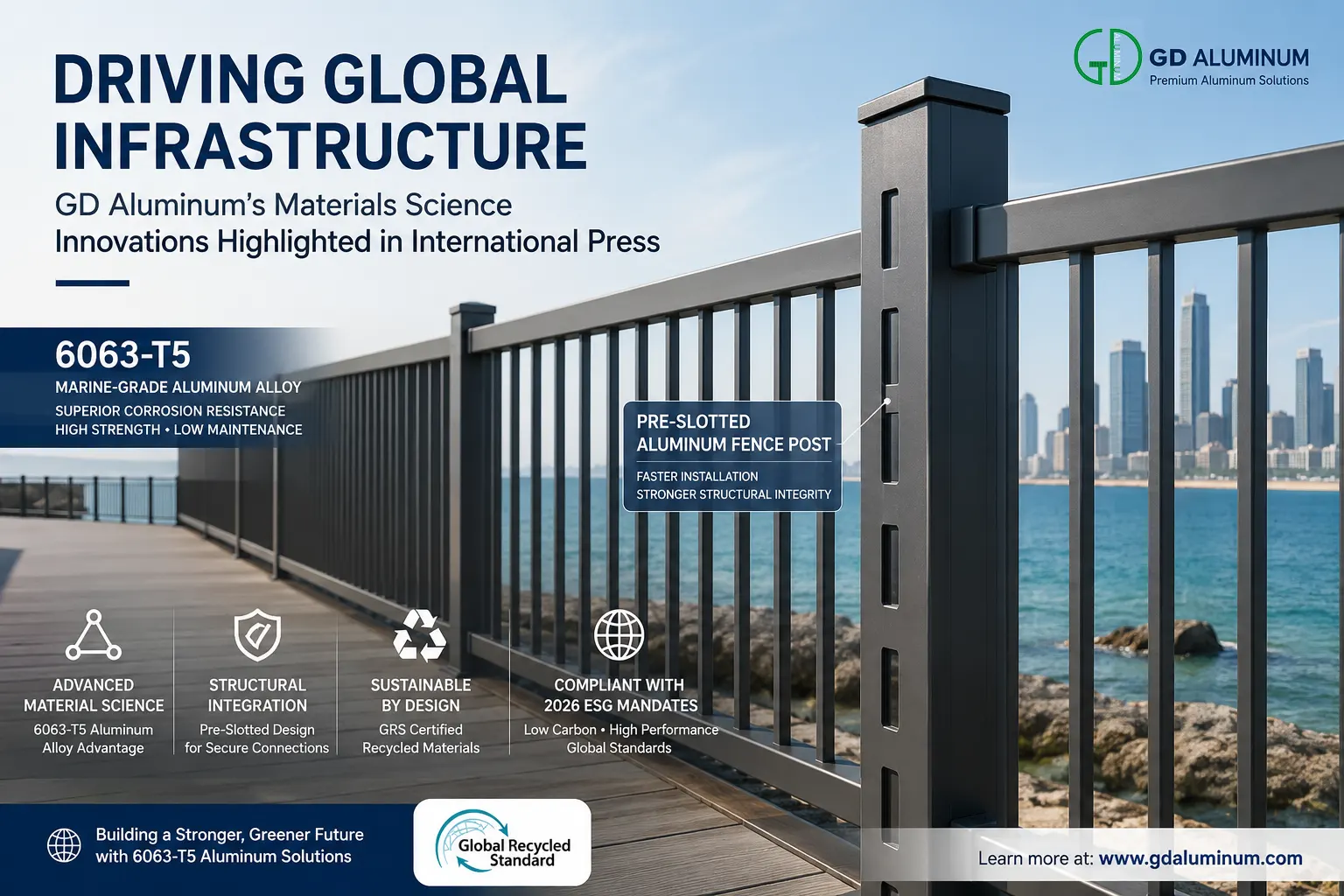
Advanced Material Science: The 6063-T5 Advantage In response to these shifting industrial demands, ГД Алюминий has pioneered architectural infrastructure systems using high-grade 6063-T5 aluminum alloys. This specific material composition provides an optimal balance of tensile strength, surface finish clarity, and natural corrosion immunity. Unlike traditional galvanized alternatives, GD Aluminum’s integrated алюминиевый забор и алюминиевый настил profiles undergo a specialized T5 thermal tempering process. This engineering approach establishes a structural barrier capable of weathering intense structural wind loads and extreme thermal expansion without material warping.

According to recent industrial coverage, GD Aluminum’s research into 2026 supply chain material standards has garnered significant international press attention. The complete technical breakdown regarding how high-performance aluminum alloys are replacing high-emission steel can be reviewed in the recently published Global Materials Science Report on OpenPR.
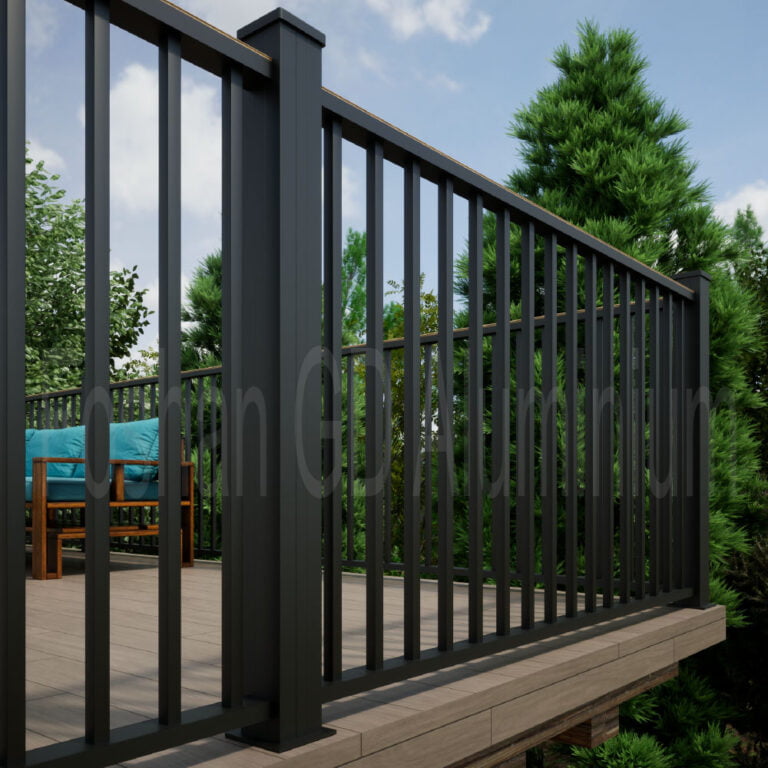
Structural Integration: The Pre-Slotted Aluminum Fence Post
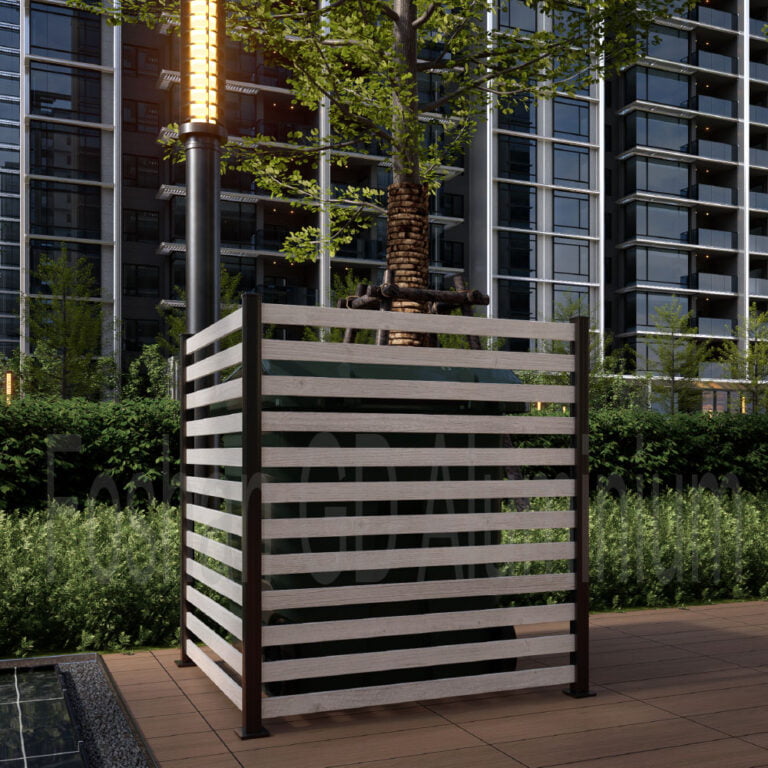
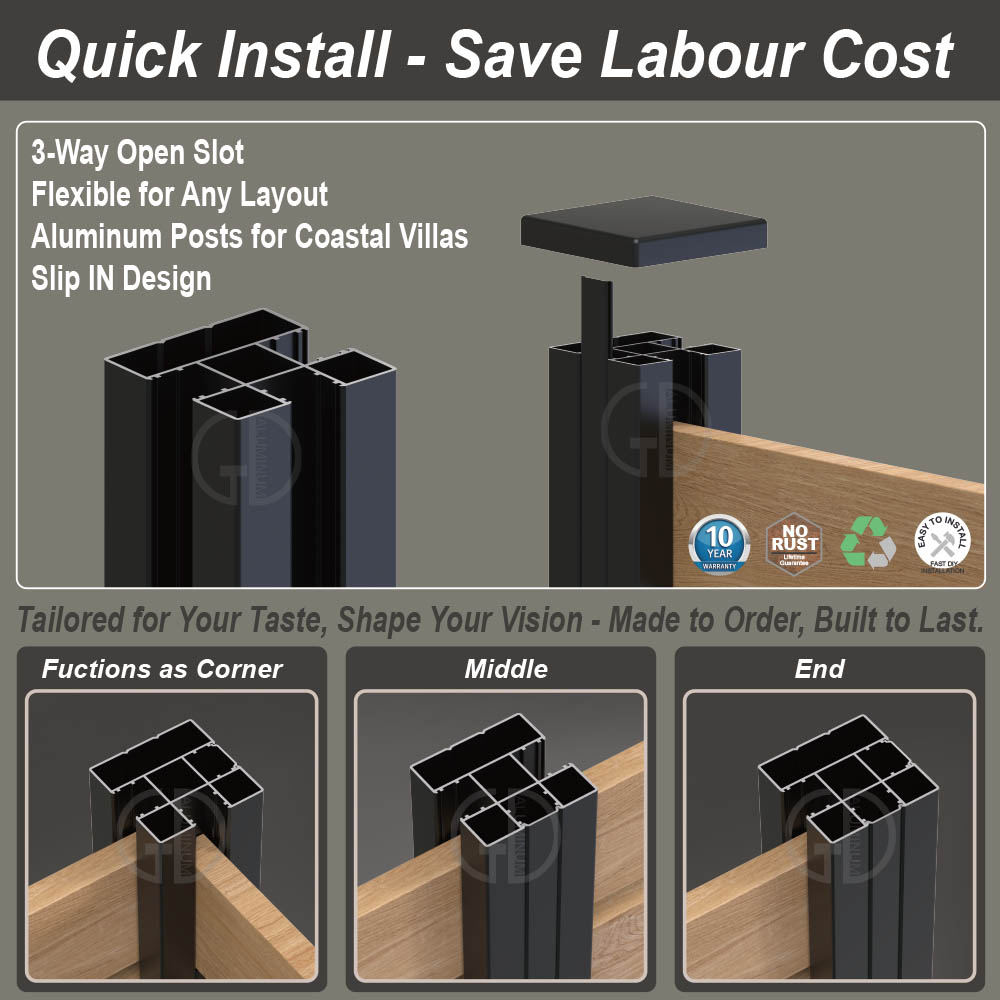
A primary failure point in traditional perimeter security setups is the connection baseline. By deploying engineered aluminum fence post systems, project managers can drastically compress site labor schedules. GD Aluminum’s pre-slotted structural pillars eliminate the requirement for repetitive on-site drilling and unstable external brackets. The modular interface allows the aluminum fencing sections to interlock seamlessly, absorbing thermal stress naturally across decentralized coastal networks.
Meeting the 2026 ESG Mandates with GRS Certification
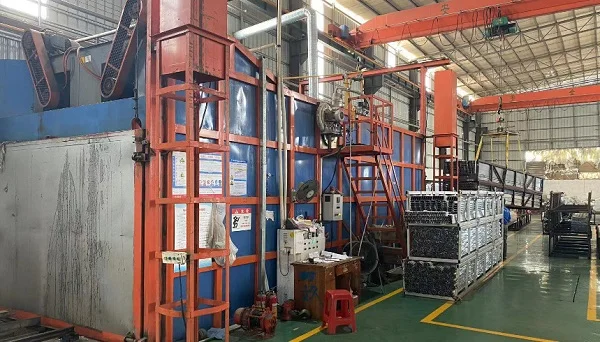
Modern procurement is no longer evaluated solely on mechanical performance; environmental metrics are now heavily weighted under international ESG and carbon-border adjustment frameworks. Operating from a massive 333,000-square-meter manufacturing complex with 31 high-capacity extrusion lines, GD Aluminum integrates Global Recycled Standard (ГРС) certified materials directly into its premium product streams. This verification ensures that European and North American industrial developers can secure heavy-duty, low-maintenance architectural frameworks while reliably meeting their sustainability targets.
To learn more about our 6063-T5 material specifications or to consult with our foreign trade engineering specialists, please visit our official knowledge hub at GD Aluminum Official Website.