CBAM Compliant Aluminum Suppliers in China: 6 Vital Procurement Checks
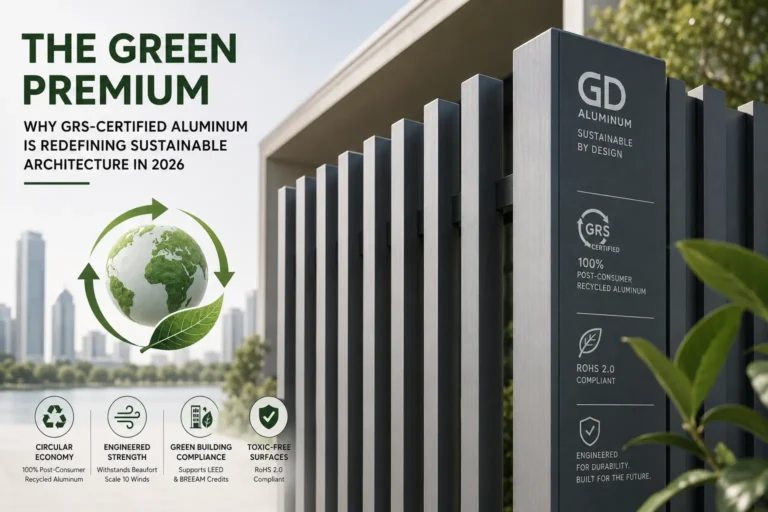
European Union importers of structural aluminum profiles face strict regulatory enforcement under the Carbon Border Adjustment Mechanism (CBAM). Navigating transitional reporting mandates without documented supplier greenhouse gas data risks substantial financial penalties and customs clearance delays. Partnering with certified cbam compliant aluminum suppliers china ensures full emissions traceability while maintaining competitive procurement costs for commercial architectural projects.
Na GD Alumínio, we provide European procurement directors with third-party verified carbon footprint accounting and Green Carbon Certification for all 6063-T6 aluminum extrusions. By utilizing low-carbon primary billets, renewable hydropower energy, e ISO 14064 verification, we eliminate carbon tariff liabilities for our overseas partners. Understanding how to audit Chinese extruders guarantees seamless customs declaration across all EU member states.

Understanding the EU Carbon Border Adjustment Mechanism for Aluminum Extrusions
Enacted under Regulation (UE) 2023/956, CBAM establishes carbon tariffs on carbon-intensive industrial imports to prevent carbon leakage into the European single market. Starting in 2026, authorized declarants must surrender digital CBAM certificates corresponding to the specific embedded emissions in imported goods. Importers failing to report verified actual emissions are penalized with default regional penalty rates that drastically erode operating margins.
The regulation classifies embedded emissions into Scope 1 direct process emissions (natural gas combustion during extrusion and heat treatment) and Scope 2 indirect emissions (electricity consumed during smelting and billet heating). Sourcing from uncertified suppliers forces importers to pay punitive carbon adjustments based on coal-heavy regional grid defaults. Choosing a verified supplier with real emissions data mitigates these severe financial risks.
Why Verified CBAM Compliant Aluminum Suppliers in China Lower Import Risks
Leading Chinese aluminum extruders have invested heavily in green energy infrastructure, closed-loop scrap recycling, and digital carbon management systems. Modern manufacturing hubs now produce primary aluminum billets with embedded carbon intensities below 4.5 metric tons of CO₂ equivalent per ton of aluminum. Em contraste, older coal-powered smelters generate up to 16.0 metric tons of CO₂ equivalent for the same output volume.
By securing direct factory emission datasets, European contractors secure smooth customs clearance and avoid unexpected retroactive tax audits. Além disso, green certified profiles allow general contractors to achieve valuable LEED and BREEAM sustainability credits for commercial buildings. Discover our comprehensive analysis on materiais de construção sustentáveis alumínio to understand full lifecycle circularity benefits.
Comparative Breakdown: Standard Extruder vs CBAM-Certified Low-Carbon Facility
Differentiating a genuinely compliant extrusion facility from an unverified manufacturer requires auditing energy sources, scrap ratios, and accredited testing documentation. The comparison matrix below details the technical criteria required for regulatory validation:
| Technical & Compliance Parameter | Standard Coal-Fired Extruder | GD Aluminum CBAM Certified Facility | EU Customs Impact |
|---|---|---|---|
| Primary Smelting Energy Source | Thermal Coal Grid (Heavy Carbon) | Renewable Hydropower & Solar Mix | Reduces taxable carbon footprint by over 65% |
| Specific Embedded Emissions ($t\text{CO}_2e/t\text{Al}$) | 14.0 – 18.0 $t\text{CO}_2e/t\text{Al}$ | 3.8 – 4.5 $t\text{CO}_2e/t\text{Al}$ (Verificado) | Substantially minimizes CBAM certificate purchase costs |
| Greenhouse Gas Reporting Protocol | Unverified Internal Estimates | ISO 14064-1 & ISO 14067 Third-Party Audit | Garantias 100% acceptance by EU National Authorities |
| Billet Traceability System | Mixed Scrap with Unknown Origin | 100% Traceable 6063-T6 Virgin/Pre-Consumer Billets | Prevents alloy contamination and structural brittleness |
| Structural & Padrões de revestimento | Basic Domestic Grade | CE / UKCA / AMAMA 2604 / Intertek 510 N/m² | Ensures simultaneous structural and environmental compliance |
Critical Quality Certifications to Verify Alongside Environmental Data
Environmental compliance must never compromise mechanical performance or weatherability in demanding architectural installations. A trustworthy Chinese manufacturer must validate structural integrity through CE Marking (EM 1090-1 / EM 12020) and UKCA compliance certificates. These mechanical certifications guarantee that 6063-T6 profiles achieve minimum tensile yield strengths of 170 MPa.
Equally critical is surface coating durability against UV degradation and atmospheric chemical exposure. Our factory applies architectural powder coatings meeting AAMA 2604 e AAMA 2605 specifications, backed by 2,000-hour ISO 9227 teste de névoa salina. For detailed cost projections and long-term asset valuation, explore our análise de custos de projetos de cercas across multi-year commercial lifecycles.
Step-by-Step Verification Protocol for European Procurement Teams
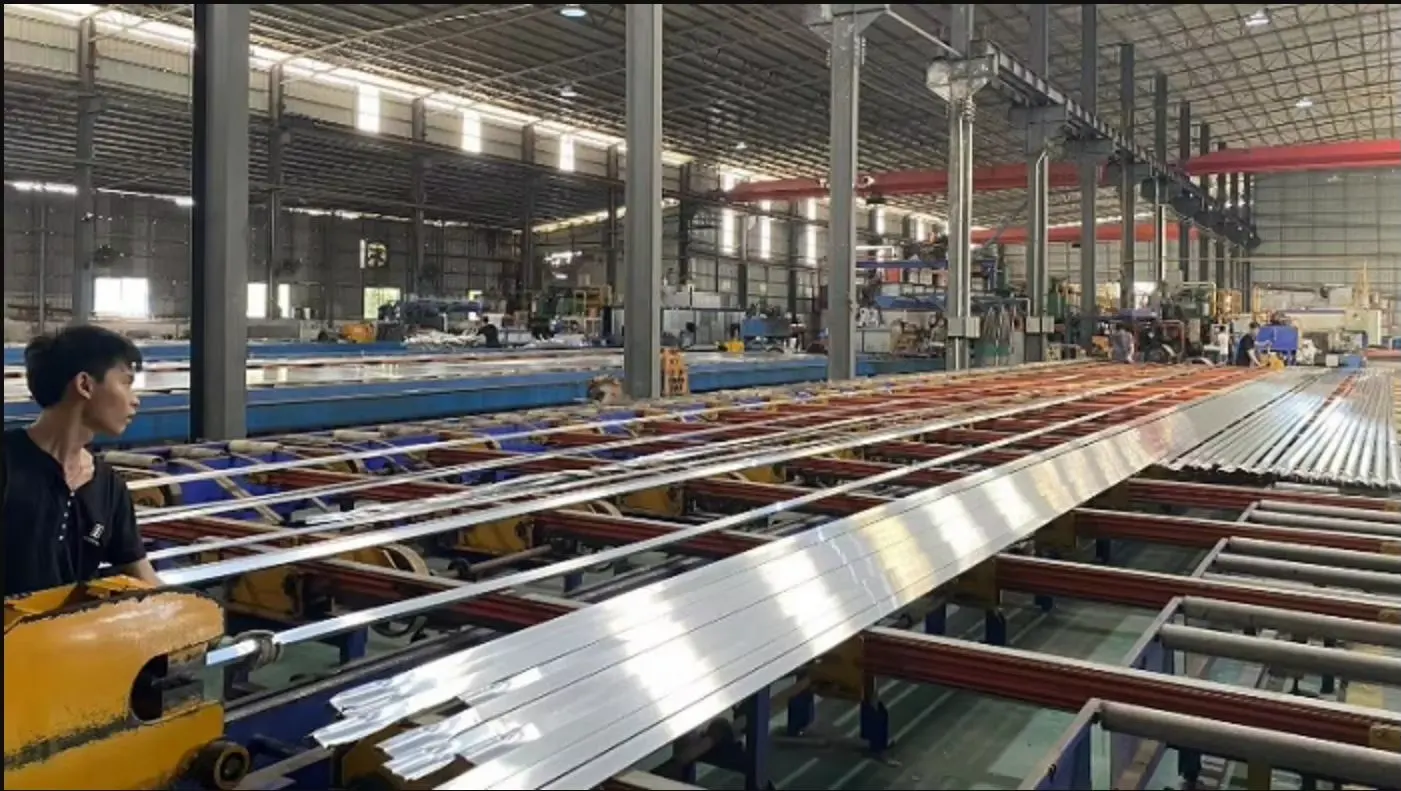
To avoid supply chain disruptions, European buying teams should integrate carbon verification directly into standard RFQ processes. Begin by requesting the manufacturer’s facility-specific emission factor calculated in accordance with EU Commission guidance templates. Ensure the data covers direct fuel combustion and indirect electricity consumption with clear boundary definitions.
Próximo, verify that greenhouse gas accounting has been audited by internationally recognized bodies such as TÜV, GV, or Bureau Veritas. Cross-referencing production batch numbers against mill test certificates ensures the supplied goods match the audited production run. Review our detailed framework for auditoria de fornecedores para fabricantes de alumínio to standardize your supplier inspection protocol.
Lista de verificação de auditoria de fornecedor: 5 Documentos a serem solicitados antes de assinar um pedido de compra
Before issuing a commercial purchase order or letter of credit to an overseas aluminum supplier, confirm the availability of verifiable compliance records. Demanding these authenticated documents ensures full protection against retroactive EU carbon tax adjustments.
- CBAM Specific Emissions Declaration: Standardized EU XML/Excel reporting sheet detailing Scope 1 and Scope 2 embedded carbon values ($t\text{CO}_2e/t\text{Al}$).
- ISO 14064-1 / ISO 14067 Verification Statement: Independent third-party audit report confirming organizational and product carbon footprint calculations.
- Certificado de teste de moinho (CTM) with Heat Number Traceability: Verifies 6063-T6 chemical alloy composition and mechanical yield strength exceeding 170 MPa.
- CE & Declaração de Conformidade UKCA: Confirms factory production control compliance with EN 1090-1 e PT 12020 architectural extrusion standards.
- Renewable Energy Supply Agreement / I-REC Certificates: Validates that the manufacturing facility operates on certified low-carbon electricity grids.
Frequently Asked Questions About CBAM Compliance for Aluminum Imports
1º trimestre: What exact emissions data must Chinese aluminum suppliers provide under CBAM?
Suppliers must provide facility-specific direct emissions (Scope 1 from extrusion heating) and indirect emissions (Scope 2 from electricity consumption), expressed as metric tons of CO₂e per metric ton of product. GD Aluminum provides complete quarterly reporting sheets aligned with official EU Commission XML templates. Buyers should ensure data is calculated per production route rather than using generic national averages.
2º trimestre: Does using recycled aluminum scrap automatically eliminate CBAM carbon taxes?
Pre-consumer and post-consumer aluminum scrap carries zero embedded emissions under EU CBAM allocation rules, significantly lowering the overall product footprint. No entanto, the supplier must maintain strict mass-balance accounting records to prove scrap content percentages to customs authorities. Our production lines maintain segregated chain-of-custody tracking for all certified green billet allocations.
3º trimestre: How do EU customs authorities verify the validity of supplier carbon documentation?
National competent authorities cross-examine declared carbon intensities against EU reference databases and require third-party verification from accredited certification bodies. Submissions with unverified or suspicious data triggers automatic default penalty calculations and administrative audits. Importers must only submit documentation backed by accredited ISO 14064 audit reports.
4º trimestre: What are the financial penalties if an imported shipment lacks valid CBAM declarations?
Importers face fines ranging from €10 to €50 per metric ton of unreported emissions, alongside retroactive carbon certificate payment obligations upon full implementation. Além disso, repeated non-compliance risks revocation of authorized CBAM declarant status across the European Union. Securing verified supplier emissions at the contracting stage completely eliminates these severe financial exposures.
Staying informed on evolving EU carbon border policy prevents unexpected supply chain liabilities and customs holds. For official legislative updates and reporting guidelines, review the European Commission CBAM Official Portal to ensure full compliance with current regulatory timetables.