Алюминиевый забор: 5 Проверенная проверка модуля сечения для прибрежных зон с сильным ветром
Если вы когда-либо указывали алюминиевое ограждение для прибрежной застройки только для того, чтобы наблюдать, как столбы гнутся во время первого сезона штормов, ты знаешь разочарование, обнаружив это “сверхмощный” Толщина стенки ничего не значит без правильного расчета модуля сечения.. Разница между забором, пережившим тайфун, и забором, который превратился в обломки, заключается не в толщине алюминия, а в том, насколько геометрия профиля сопротивляется изгибающему моменту.. В GD Aluminium, мы проектируем наши системы ограждений в соответствии с документально подтвержденными пороговыми значениями ветровой нагрузки, потому что проектирование алюминиевых заборов начинается с чертежной доски, не на экструзионном прессе.
За два десятилетия производства для прибрежных проектов — от зон тайфунов в Юго-Восточной Азии до коридоров ураганов во Флориде — мы узнали, что три физических свойства определяют, останется ли забор стоять на месте.: модуль сечения профиля стойки, предел текучести сплава, и коррозионная стойкость системы покрытия. Получите любой из них неправильно, и забор становится обузой. Получите все три правильно, и у вас есть система, которая остается стабильной по размерам в течение 25+ годы. В этой статье рассматриваются пять технических проверок, которые наша команда применяет к каждому спецификация прибрежного забора, основано на сертифицированных Intertek тестовых данных и документированных научных исследованиях в области экструзии..
1. Что такое модуль сопротивления и почему он определяет, выдержит ли ваш забор тайфун?
Модуль сечения (С) это геометрическое свойство поперечного сечения, определяющее, насколько хорошо оно сопротивляется изгибу.. Математика проста: когда ветер ударяется о панель забора, он создает изгибающий момент (М) на почтовой базе. Напряжение в алюминии равно M, делённому на S.. Если S слишком мал, напряжение превышает предел текучести материала — и столб постоянно сгибается. Если S является адекватным, столб упруго отклоняется и возвращается в исходное положение при стихании ветра.
В нашей производственной практике, мы рассчитываем момент сопротивления для каждого опубликовать профиль перед нарезкой экструзионных матриц, поскольку две стойки с одинаковой толщиной стенки могут иметь моменты сопротивления, отличающиеся на 40% или больше в зависимости от формы профиля. Квадратный столб сопротивляется изгибу в одном направлении иначе, чем круглый столб равной площади поперечного сечения., а фланцевый профиль может удвоить момент сопротивления сечения без увеличения стоимости материала.. Когда мы проектируем системы ограждений для клиентов в Юго-Восточной Азии, подверженной тайфунам, или на побережье Флориды, подверженном ураганам., модуль сечения — это первое число, которое мы проверяем, а не последнее.
Практический урок для отделов закупок: толщина стенки не является показателем сопротивления изгибу. Мы видели, что столбы со стенкой 2,5 мм превосходят столбы со стенкой 4 мм при испытаниях на ветровую нагрузку, потому что более тонкий столб имел более эффективную геометрию поперечного сечения.. Запросите значение момента сопротивления в см³ для каждой стойки в вашей спецификации.. Если производитель не может его произвести, они не занимаются инженерией.
2. Как ветровая нагрузка преобразуется в изгибающий момент на столбах забора
Инженерная цепочка от скорости ветра до пост-напряжения проста.: скорость ветра преобразуется в давление через ASCE 7 или эквивалентные региональные коды, давление, умноженное на площадь притока, дает силу, сила, умноженная на плечо момента (высота столба над землей) дает изгибающий момент, а изгибающий момент, разделенный на момент сопротивления сечения, дает напряжение. Если это напряжение превышает допустимое расчетное напряжение алюминия 6063-T6 — примерно 170 МПа при длительной нагрузке — стойка выдерживает.
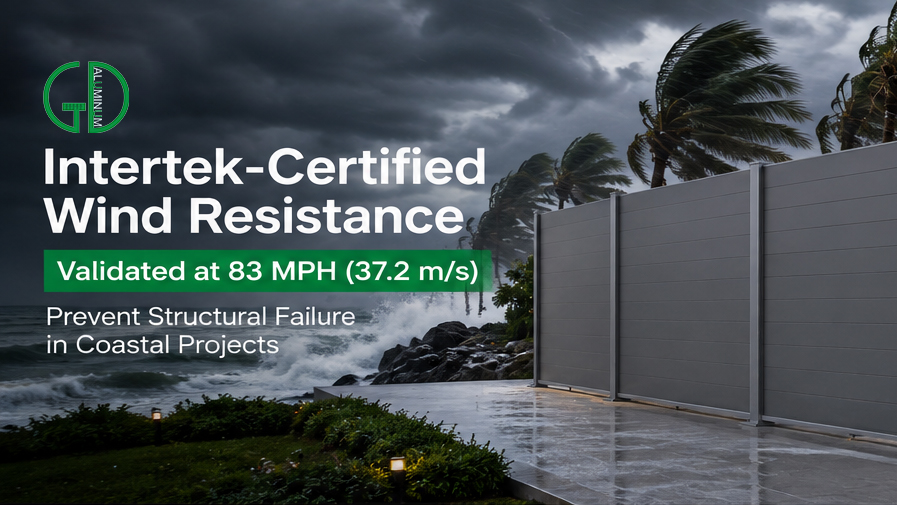
Наш Система столбов забора, сертифицированная Intertek был протестирован на 510 Н/м², что соответствует устойчивым скоростям ветра, превышающим 83 миль в час (133 км/ч)— эквивалент категории 1 ураган или сильный тропический шторм. В протоколе испытаний установлены полноразмерные стойки с прикрепленными панелями пикетов в калиброванной силовой раме., применение градуированного давления, в то время как тензодатчики измеряют прогиб головки стойки. Результат: нулевая остаточная деформация при 510 Н/м², подтверждение того, что наши расчеты модуля сопротивления соответствуют реальным физическим реакциям.
Для прибрежных проектов, где расчетная скорость ветра превышает 100 миль в час, мы увеличиваем момент сопротивления, задавая более глубокую геометрию профиля — добавляя глубину полки или внутреннее оребрение — а не просто утолщая стенки.. Такой подход позволяет контролировать вес груза, обеспечивая при этом структурный запас, необходимый для объекта.. Наша команда инженеров в настоящее время проверяет профили постов для условий тайфуна 12 уровней. (примерно 118-133 км/ч устойчиво), обусловлено растущим спросом со стороны застройщиков Юго-Восточной Азии, чьи проектные площадки сталкиваются с усилением сезонов штормов..
3. Почему выбор сплава 6063-T6 является непреложной основой ветроустойчивости Алюминиевый забор
6063-Т6 – это не просто “алюминий”— это особое состояние термической обработки. Обозначение Т6 означает, что сплав прошел термообработку на твердый раствор и искусственно состарился до максимальной прочности.. По сравнению с темпераментом Т5 (охлажденный от температуры экструзии и искусственно состаренный без отдельной обработки раствора), T6 обеспечивает примерно 20% более высокий предел текучести: примерно 170 МПа по сравнению 145 МПа. В сценарии прибрежной ветровой нагрузки, что 20% запас часто является разницей между стойкой, которая пружинит назад, и стойкой, которая остается согнутой..
В GD Aluminium, мы указываем 6063-T6 для всех компонентов структурного ограждения, потому что надбавка к стоимости — обычно ниже 5% стоимости сырья — приобретает непропорциональный запас прочности. Мы документируем каждую партию плавки сертификатами заводских испытаний, подтверждающими прочность на разрыв. (≥205 МПа), предел текучести (≥170 МПа), и удлинение (≥8%) соответствовать ASTM B221 или EN 755 стандарты. Эти сертификаты сопровождают каждую посылку., предоставление нашим клиентам отслеживаемых доказательств того, что доставленные сообщения соответствуют указанным сообщениям. Из проектирование алюминиевых заборов перспектива, T6 Temper — единственное наиболее экономичное обновление, доступное в спецификации..
4. Как геометрия профиля стойки влияет на модуль сопротивления больше, чем на толщину стенки
Одна из наиболее частых ошибок, которые мы наблюдаем в спецификациях ограждений, — это чрезмерный акцент на толщине стены в ущерб геометрии профиля.. Физика противоречива, но точна: момент сопротивления прямоугольного сечения пропорционален квадрат глубины секции, дело не в толщине стенки. Удвоение толщины стенки с 2 мм до 4 мм линейно увеличивает момент сопротивления сечения.. Добавление фланца толщиной 10 мм к тому же профилю может увеличить его в несколько раз. 3 или более, поскольку расстояние от нейтральной оси до крайнего волокна экспоненциально определяет момент сопротивления.
Наша команда разработчиков штампов использует этот принцип для оптимизации профилей стоек с учетом конкретных требований к ветровой нагрузке.. Вместо того, чтобы выдавливать излишне тяжелые прямоугольные трубы, которые увеличивают вес контейнера и затраты на морские перевозки., мы проектируем фланцевые и ребристые поперечные сечения, которые максимизируют момент инерции в направлении ветровой нагрузки.. Для ограждения частного дома высотой 1,8 метра на прибрежном участке, наш оптимизированный профиль обычно использует 15-20% меньше алюминия по весу, чем простой прямоугольный столб с толстыми стенками, обеспечивающий эквивалентную ветроустойчивость.
Итоги закупок: при сравнении поставщиков, запрашивайте не только толщину стенки, но и полный чертеж поперечного сечения с расчетным моментом сопротивления. Два столба с одинаковым весом могут иметь совершенно разную ветроустойчивость в зависимости от того, где материал расположен в поперечном сечении.. Ребристая внутренняя стенка, которая увеличивает глубину секции на 0,5 мм, может обеспечить большее сопротивление изгибу, чем добавление 1 мм к толщине стенки, причем за небольшую часть стоимости материала..
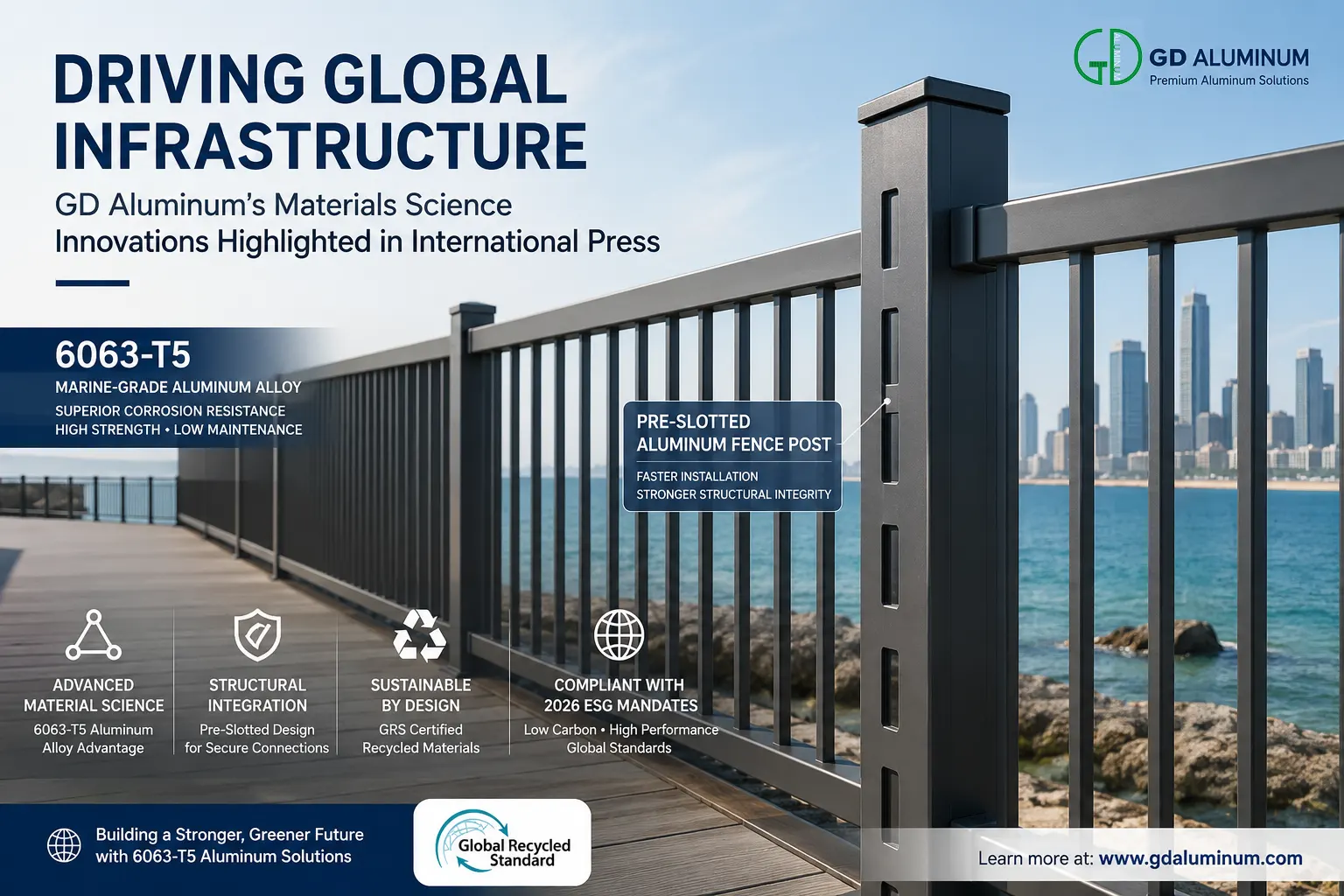
5. От моделирования FEA до физических испытаний Intertek: Как мы проверяем заявления о ветроустойчивости
Прежде чем какой-либо профиль стойки поступит в производство на заводе GD Aluminium., наш инженерный рабочий процесс включает анализ методом конечных элементов (ВЭД) симуляция, моделирующая столб во всю высоту, встроенный в бетонный фундамент, при расчетной ветровой нагрузке плюс коэффициент запаса прочности 1.5. FEA выводит карту напряжений, которая определяет горячие точки (обычно в базовом соединении, где изгибающий момент достигает максимума), что позволяет нам укрепить эти зоны в конструкции экструзионной головки до того, как будет нагрета первая заготовка..
Моделирование проверено физическими испытаниями в аккредитованной сторонней лаборатории.. Наши стойки были установлены на испытательном стенде Intertek с калиброванными тензодатчиками и подвергнуты постепенной нагрузке до 510 Н/м². Результат: нет постоянного набора, отсутствие микротрещин у основания, и отсутствие ослабления соединений штакетника с рельсами. Мы храним полные отчеты об испытаниях и предоставляем их клиентам, чьи проекты требуют документального подтверждения ветровой нагрузки для получения разрешения на строительство.. Обратитесь к Стандарты испытаний фасадов и ограждающих конструкций Intertek для текущих протоколов испытаний, которые легли в основу нашего процесса сертификации.
6. Защита от коррозии: Почему сопротивление прибрежному ветру требует инженерных разработок, выходящих за рамки структурного каркаса
Столб забора, который выдерживает ветровые нагрузки, но корродирует у основания, — это инженерная ошибка другого рода.. В прибрежных зонах, Сочетание соленого ветра и циклических нагрузок создает механизм ускоренного разложения.: соляной туман проникает в микрощели в местах соединения штакетника с рельсом, а вибрация, вызванная ветром, предотвращает образование стабильного пассивного оксидного слоя на незащищенных алюминиевых поверхностях.. Над 3-5 годы, этот процесс может уменьшить эффективное поперечное сечение у основания стойки за счет 10-15%, молчаливо разрушая момент сопротивления, рассчитанный в первый день.
Наше решение — полиэфирное порошковое покрытие, наносимое 80-100 микроны на всех поверхностях, включая внутренние помещения постов и скрытые железнодорожные каналы. Полиэфирный порошок по своей природе более гибок, чем альтернативы на основе эпоксидной смолы., это означает, что он не растрескивается под воздействием циклических отклонений, вызванных ветром — свойство, которое особенно важно для прибрежных применений при сильном ветре.. Протестировано по стандарту ISO 9227 нейтральный солевой спрей для 1,000+ часы без коррозии подложки, эта система покрытия сохраняет первоначальный момент сопротивления для 25+ лет в морской среде. В сочетании с естественной коррозионной стойкостью алюминия 6063-T6 — примерно 10 раз больше, чем у оцинкованной стали при воздействии соленого воздуха — в результате получается система ограждений, структурная целостность которой с первого дня остается неповрежденной два десятилетия спустя..
7. Контрольный список аудита поставщика: 5 Документы, которые необходимо запросить перед подписанием заказа на поставку прибрежного ограждения
При оценке проектирование алюминиевых заборов качество у поставщиков, следующие документы отделяют подтвержденные возможности от маркетинговых заявлений. Запросите все пять, прежде чем приступить к серийному производству..
- Сертификат испытаний мельницы (МТС) для 6063-T6 — Этот сертификат от поставщика алюминиевых заготовок подтверждает химический состав и механические свойства.. Для 6063-T6 по ASTM B221, подтвердить прочность на растяжение ≥205 МПа, предел текучести ≥170 МПа, и удлинение ≥8%. Без МТС, у тебя нет доказательств “T6” в накладной соответствует металлу в стойках.
- Отчет сторонних испытаний на ветровую нагрузку — Полный отчет аккредитованной лаборатории (Интертек, СГС, ТЮВ) документирование конкретного профиля стойки на высоте установки при постепенной нагрузке, с измеренным отклонением и постоянной посадкой. Запросите полный отчет с фотографиями испытательной установки, а не только сводную страницу..
- Сертификат испытаний на солевой туман (ИСО 9227) — Проверяет, что система покрытия выдерживает как минимум 1,000 часы нейтрального солевого тумана без коррозии основания. В сертификате должна быть указана толщина покрытия в микронах., продолжительность теста, и стандарт применяется.
- Таблица расчета модуля сопротивления сечения — Производитель должен предоставить расчетный момент сопротивления сечения. (в см³) для каждого профиля поста в вашей спецификации, получено из геометрии экструзионной головки. Производитель, который не может произвести это в течение 24 часов, скорее всего, не занимается проектированием конструкций.
- Декларация эффективности CE/UKCA — Требуется по закону для проектов ЕС и Великобритании. Подтверждает соответствие EN 1090 (конструкционный алюминий) или RU 15088 (изделия из алюминия для ограждений). Отсутствие означает, что продукт не может быть законно размещен на этих рынках..
Часто задаваемые вопросы о конструкции алюминиевых заборов для прибрежных зон
Как рассчитывается момент сопротивления алюминиевых столбов забора?
Момент сопротивления рассчитывается исходя из геометрии поперечного сечения по формуле S = I / й, где I - второй момент площади (момент инерции) а y — расстояние от нейтральной оси до крайнего волокна. Для сложных экструдированных профилей, которыми является большинство алюминиевых столбов для заборов, для этого расчета требуется программное обеспечение САПР или инструменты FEA, поскольку геометрия включает внутренние перемычки., ребра, и фланцы, устойчивые к ручной интеграции. В GD Aluminium, мы рассчитываем момент сопротивления сечения на этапе проектирования штампа с помощью моделирования SolidWorks и предоставляем эти значения клиентам как часть технического задания.. При сравнении поставщиков, запросите момент сопротивления в см³ для профиля стойки на самой слабой оси — это первое количество испытаний на ветровую нагрузку.
Могут ли алюминиевые столбы для забора выдержать ураганный ветер??
Да, при правильном проектировании. Наши посты сертифицированы Intertek 510 Н/м², эквивалентно примерно 83 устойчивый ветер миль в час, с нулевой остаточной деформацией, зафиксированной в протоколе испытаний. Для зон с более сильным ветром, мы разрабатываем более глубокую геометрию профиля для увеличения момента сопротивления без чрезмерного веса. Критической переменной является не материал (алюминий более чем эффективен), а то, подтвердил ли производитель свои расчеты момента сопротивления с помощью сторонних физических испытаний.. Многие заявляют о ветроустойчивости.; немногие могут предоставить полный отчет об испытаниях.
В чем разница между 6063-Т5 и 6063-Т6 для ветрозащитных ограждений?
Закалка Т5 охлаждается от температуры экструзии и искусственно состаривается., примерно 145 Предел текучести МПа. Закалка Т6 подвергается отдельной термообработке в растворе перед искусственным старением., обеспечивая предел текучести примерно 170 МПа. Что 25 Разница в МПа составляет примерно 17% увеличение допустимого напряжения изгиба — это означает, что стойка T6 может выдержать 17% большее давление ветра, прежде чем произойдет необратимая деформация. В GD Aluminium, мы указываем T6 исключительно для компонентов структурного ограждения, потому что надбавка к стоимости (под 5% сырья) обеспечивает непропорциональный запас прочности для прибрежных ветровых зон..
Как полиэфирное порошковое покрытие способствует длительной ветроустойчивости?
Полиэфирное порошковое покрытие косвенно сохраняет ветроустойчивость.: предотвращая потерю поперечного сечения в основании стойки из-за коррозии. В прибрежных условиях, Солевой ветер ускоряет точечную коррозию на незащищенных алюминиевых поверхностях, уменьшение эффективной толщины стенки и, следовательно, момента сопротивления сечения с течением времени. Наш 80-100 микронное полиэфирное покрытие, протестировано по стандарту ISO 9227 для 1,000+ часы, устраняет этот путь деградации. Кроме того, Гибкость полиэстера по сравнению с эпоксидными покрытиями означает, что он не растрескивается под воздействием циклических отклонений, вызываемых ветровой нагрузкой, что обеспечивает непрерывный барьер на протяжении всего срока службы ограждения..
Свяжитесь с нашей командой инженеров для расчета моментов сопротивления сечения и отчетов об испытаниях на ветровую нагрузку в соответствии со спецификациями вашего проекта..