Алюминиевые столбы для забора с защитой от ветра: 5 Проверенные инженерные стандарты для производительности на уровне тайфуна
Если вы когда-либо заказывали ограждение для прибрежного курортного комплекса, промышленный объект, подверженный тайфунам, или балкон высотного здания, подверженный порывам муссонов, ты уже знаешь разочарование. Ветрозащита в даташите говорит об одном.. Соединение стойки с рельсами, разорвавшееся во время первого настоящего шторма, говорит совсем о другом..
Разрыв между количеством лабораторий и выживаемостью на местах — именно в этом разрыве живет ответственность проекта.. ветроустойчивые алюминиевые столбы для забора не являются товаром. Это структурное инженерное решение, которое определяет, устоит ли периметр или рухнет, когда скорость ветра пересекает границу. 100 км/ч.

Скрытая стоимость недостаточного выбора столбов ограждения в зонах с сильным ветром
Когда линия забора рушится во время тайфуна, стоимость замены самих стоек редко бывает самой большой цифрой в счете за ремонт. Фактически подрядчики и владельцы недвижимости платят за сопутствующий ущерб.: смещенные панели, которые превращаются в разносящиеся по воздуху обломки, разбитое стекло на фасадах соседних зданий, и — в худшем случае — иски о травмах из-за летящих алюминиевых секций.. В нашей производственной практике, мы проанализировали отчеты после аварий с площадок проектов в Юго-Восточной Азии и Карибском бассейне, где порывы ветра превышали 130 км/ч. Общей нитью никогда не был сам сплав.. Это было сочетание недостаточной толщины стенки и отсутствия независимой проверки испытаний..
Пост, несущий “номинальный ветер” этикетка без прикрепленного стороннего отчета об испытаниях — это сообщение, на котором вы делаете ставку. Мы видели экструзионные профили от региональных поставщиков, которые выглядели идентично сертифицированным профилям — с теми же внешними размерами., та же видимая отделка — но перенесена 40% меньшая структурная несущая способность, поскольку геометрия внутренней стенки была утончена для экономии стоимости заготовки. Покупатель замечает разницу только тогда, когда наступает первый сезон тайфунов.. В этот момент, экономия на затратах на единицу поста в десять раз поглощается за счет срочной замены рабочей силы и штрафов за задержку проекта..
The 510 Н/м² Эталон: Что на самом деле измеряет испытание на ветровую нагрузку
Ветровая нагрузка выражается в паскалях (Н/м²), но одного числа недостаточно. Вам необходимо знать, что включено в протокол испытаний.: Это было статическое испытание на однородное давление?, или это включало циклическую порывистую нагрузку? Был ли пост протестирован изолированно?, или как часть полной сборки с прикрепленными направляющими и панелями заполнения.? Наши посты проходят испытания в компании Intertek в соответствии с протоколами, имитирующими условия устойчивого тайфуна — не просто однонаправленное повышение давления, но повторяющиеся циклы нагрузки, которые воспроизводят эффект удара настоящего штормового ветра..
The 510 Номинал Н/м² означает, что каждый квадратный метр поверхности забора выдерживает 510 Ньютоны поперечной силы без остаточной деформации. В практическом плане, это соответствует скорости ветра, превышающей 130 км/ч — эквивалент категории 1 тайфун — с сохранением сборки стойки в пределах упругих деформаций. Не менее важен и коэффициент безопасности, заложенный в это число.. Наш внутренний инженерный стандарт предусматривает минимальный запас прочности в 1,5 раза выше сертифицированного значения., это означает, что конструкция стойки проходит стресс-тесты, чтобы выдерживать кратковременные порывы ветра, значительно превышающие номинальную нагрузку, прежде чем произойдет какая-либо текучесть..
Если вы оцениваете поставщика протокол испытаний на ветровую нагрузку, ищи три вещи: стандарт тестирования, на который ссылаются (Протокол ASTM или EN), включал ли тестовый образец полное соединение стойки с рельсом, и количество применяемых циклов нагрузки. Статическое испытание за один цикл почти ничего не скажет вам о том, как ведет себя столб во время шестичасового тайфуна со сменой направления ветра.. Циклическое тестирование, по крайней мере, 500 циклы загрузки-разгрузки являются минимальным надежным ориентиром.
Почему алюминий 6063-T6 превосходит стандартные сплавы при тайфунной нагрузке
Не весь алюминий одинаков, и разница между 6063-T5 и 6063-T6 незначительна, когда в уравнение входят ветровые нагрузки.. Закалка Т6 включает термообработку на раствор с последующим искусственным старением., что увеличивает предел прочности сплава на растяжение примерно до 215 МПа — примерно 30% выше, чем состояние Т5. Для столба забора под боковой ветровой нагрузкой, что 30% Разница в способности к растяжению напрямую влияет на то, какой изгибающий момент может выдержать стойка до того, как произойдет необратимая деформация..
Выбор сплава влияет не только на исходные показатели прочности.. The 6063 серия обеспечивает превосходную экструдируемость, это означает, что мы можем производить сложную геометрию внутренних ребер, которые увеличивают момент сопротивления без увеличения толщины стенок — важнейшая оптимизация соотношения веса и прочности для экономики перевозок.. Когда вы упаковываете в контейнеры 6-метровые столбы на экспорт, каждый килограмм ненужного алюминиевого груза увеличивает стоимость морских перевозок, портовая обработка, и подъем крана на месте. В наших профилях стоек используется внутренняя геометрия поперечных связей, которая была подвергнута повторному анализу методом конечных элементов, чтобы сконцентрировать материал именно там, где пик изгибающего напряжения под ветровой нагрузкой — в базовом соединении и в точках крепления рельсов — сохраняя при этом наклон некритических участков стены..
Соединение пост-железнодорожное: Инженерное слабое место, которое упускают из виду большинство спецификаторов
Само сообщение может иметь рейтинг 510 Н/м², но если кронштейн, соединяющий рельс со стойкой, срежется в 300 Н/м², рейтинг системы падает до самого слабого компонента. Именно здесь на самом деле возникает большинство отказов от ветровой нагрузки, а не в самой пост-экструзии., но на механическом интерфейсе. В нашем процессе проектирования, мы обрабатываем почту, кронштейн, набор крепежа, и рельс как единую конструктивную систему и испытать их в сборе, не как отдельные компоненты.
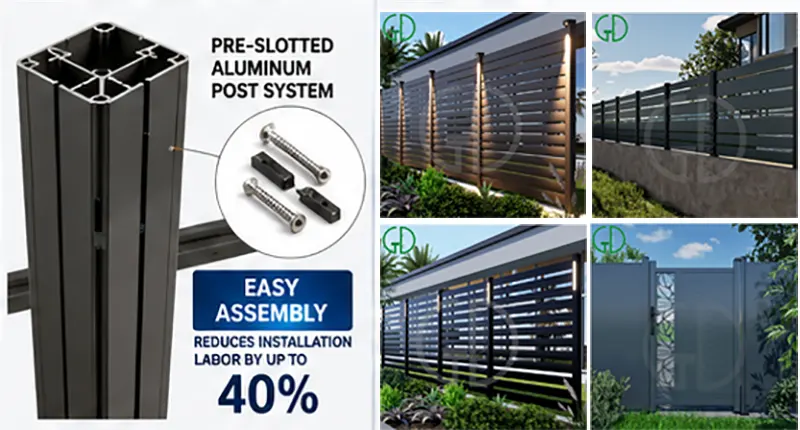
Вид отказа, который мы чаще всего наблюдаем при проверках после урагана, — это не изгиб после урагана.. Это выдвижной крепеж на кронштейне стойки к направляющей., обычно потому, что кронштейн был спроектирован с возможностью среза одного болта, а диаметр болта был рассчитан на статическую собственную нагрузку., не для циклических изменений растяжения-сжатия, которые вызывают порывы тайфунов.. В нашей брекет-системе используется двойная схема крепления с болтами M8 из нержавеющей стали, проходящим через стенки стоек с предварительно прорезанными прорезями., распределение сдвиговой нагрузки по двум опорным точкам. Конструкция стойки с заранее прорезанными прорезями также исключает необходимость сверления на месте — распространенного источника концентрации напряжений и инициирования коррозии, что снижает долговременный усталостный срок службы стойки при повторяющихся ветровых циклах..
Коррозия + Ветер: Механизм сложного разрушения в зонах прибрежных тайфунов
Ветровая нагрузка и коррозия обычно рассматриваются как отдельные инженерные проблемы.. В прибрежных условиях тайфунов, у них та же проблема. Соленый ветер в 120 км/ч — это не просто приложение механической силы — это одновременно пескоструйная обработка поверхностного покрытия и осаждение ионов хлора в каждую микроскопическую щель.. Пост, который выживет 20 лет в сухой зоне внутреннего ветра может произойти разрушение покрытия в течение 3 годы на пляжном участке, и как только алюминиевая подложка подвергнется продолжительному воздействию солевых брызг, Питтинговая коррозия создает концентраторы напряжений, которые из года в год уменьшают эффективное несущее поперечное сечение..
Наша защитная система устраняет эту сложную угрозу с помощью 80-100 микронное полиэфирное порошковое покрытие, нанесенное на слой предварительной обработки хроматной конверсии. Толщина покрытия указана в верхней части архитектурного диапазона — стандартные коммерческие покрытия обычно работают 60 микроны — потому что мы измерили скорость эрозии тестовых купонов, выставленных на прибрежном испытательном полигоне в Южно-Китайском море.. В 80-100 микроны, покрытие сохраняет целостность барьера благодаря 1,000+ часы коррозия в солевом тумане тестирование по ISO 9227, эквивалентно десятилетиям береговой службы. В сочетании с естественной коррозионной стойкостью алюминия 6063-T6 — примерно 10 в несколько раз лучше, чем оцинкованная сталь, при воздействии морской атмосферы — система спроектирована таким образом, чтобы пережить здание, которое она защищает..
Контрольный список аудита поставщика: 5 Документы, которые необходимо запросить перед подписанием заказа на поставку
Прежде чем принять заказ на загрузку контейнера ветроустойчивые алюминиевые столбы для забора, запросите эти пять документов у вашего поставщика. Если какие-либо из них отсутствуют или поставщик колеблется, воспринимайте это как красный флаг, пропорциональный риску ветра на вашем объекте.
- Отчет сторонних испытаний на ветровую нагрузку. Должен быть выдан аккредитованной лабораторией (Интертек, СГС, ТЮВ) и укажите стандарт испытаний, количество циклов, и тестировалась ли сборка как целостная система. Сертификат внутренних испытаний производителя не заменяет.
- Сертификат испытаний мельницы (МТС) для алюминиевой заготовки. Это подтверждает фактическую марку и состояние сплава — 6063-Т6., не 6063-T5 — с прослеживаемым номером плавки. Без этого, у вас нет возможности проверить, что отправленные сообщения соответствуют протестированным образцам.
- Отчет об измерении толщины покрытия. Запросите измерения толщины сухой пленки для каждой партии на нескольких поверхностях штифтов (не только видимое лицо). Минимум 80 микроны во всех измеренных точках — это порог прочности береговой линии..
- Сертификат испытаний на солевой туман (ИСО 9227). Это отдельно от отчета о ветровой нагрузке.. Это доказывает, что система покрытия выдерживает ускоренные испытания на коррозию.. Искать 1,000+ часов без образования пузырей или коррозии под пленкой.
- Образец отчета о предотгрузочной проверке. Прежде чем ваш контейнер покинет завод, вы должны получить подробный отчет об осмотре с фотографиями случайно выбранных столбов с указанием толщины стенок., проверка покрытия, и проверка размеров по утвержденному чертежу.
В GD Aluminium, мы предоставляем все пять документов в стандартной комплектации для каждого экспортного заказа. Мы рекомендуем покупателям перепроверить наши Характеристики алюминиевых столбов для забора в соответствии с независимыми инженерными требованиями перед выдачей заказа на заказ, потому что единственная ветровая мощность, которая имеет значение, — это та, которая проверена лабораторией, которая не работает с продавцом..
Часто задаваемые вопросы
вопрос: Могут ли алюминиевые столбы забора, рассчитанные на ветер, выжить в определенной категории? 3 тайфун?
Наши текущие посты, сертифицированные Intertek, имеют рейтинг 510 Н/м², что соответствует устойчивым скоростям ветра, превышающим 130 км/ч — соответствует сильной категории 1 тайфун. Для категории 3 условия (178-208 км/ч), мы завершаем тестирование системы таргетинга с более высоким рейтингом 1,200+ Н/м². Сама пост-экструзия выдерживает нагрузку; ограничивающий фактор в категории 3 Скорость обычно зависит от соединительного оборудования и фундамента., не алюминиевый профиль. Рекомендуем проекты в категории 3+ зон свяжитесь с нашей командой инженеров для расчета ветровой нагрузки для конкретного участка, прежде чем окончательно определить расстояние между стойками и глубину заделки.
вопрос: Как мне убедиться, что сообщения, которые я получаю, на самом деле относятся к 6063-T6, а не к более дешевому сплаву??
Запросите сертификат заводских испытаний с указанием номера плавки, который можно отслеживать у поставщика заготовок.. Портативный рентгеновский аппарат (Рентгеновская флуоресценция) анализатор может подтвердить состав сплава на месте, но один лишь РФА не может отличить Т5 от Т6 — для этого требуется испытание на твердость (Бринелл или Вебстер). Наш стандартный пакет экспортной документации включает в себя как MTC, так и результаты испытаний на твердость партии.. Если поставщик отказывается предоставить какой-либо документ, предположим, что характер непроверен.
вопрос: Какое расстояние между стойками необходимо для поддержания 510 Н/м² ветровая нагрузка?
The 510 Номинальное значение Н/м² достигается при расстоянии между стойками 1.8 метров по центру для наших стандартных профилей стоек для жилых и коммерческих помещений. Более широкое расстояние пропорционально снижает рейтинг системы, поскольку каждая стойка несет большую площадь притока панели ограждения, нагруженной ветром.. Для инженерно-критических приложений, мы предоставляем таблицы расстояний для конкретного проекта, основанные на расчетной скорости ветра на объекте в соответствии с ASCE 7 или RU 1991-1-4, вместо того, чтобы полагаться на один общий номер.
вопрос: Требуют ли ветроустойчивые стойки иные методы установки по сравнению со стандартными стойками??
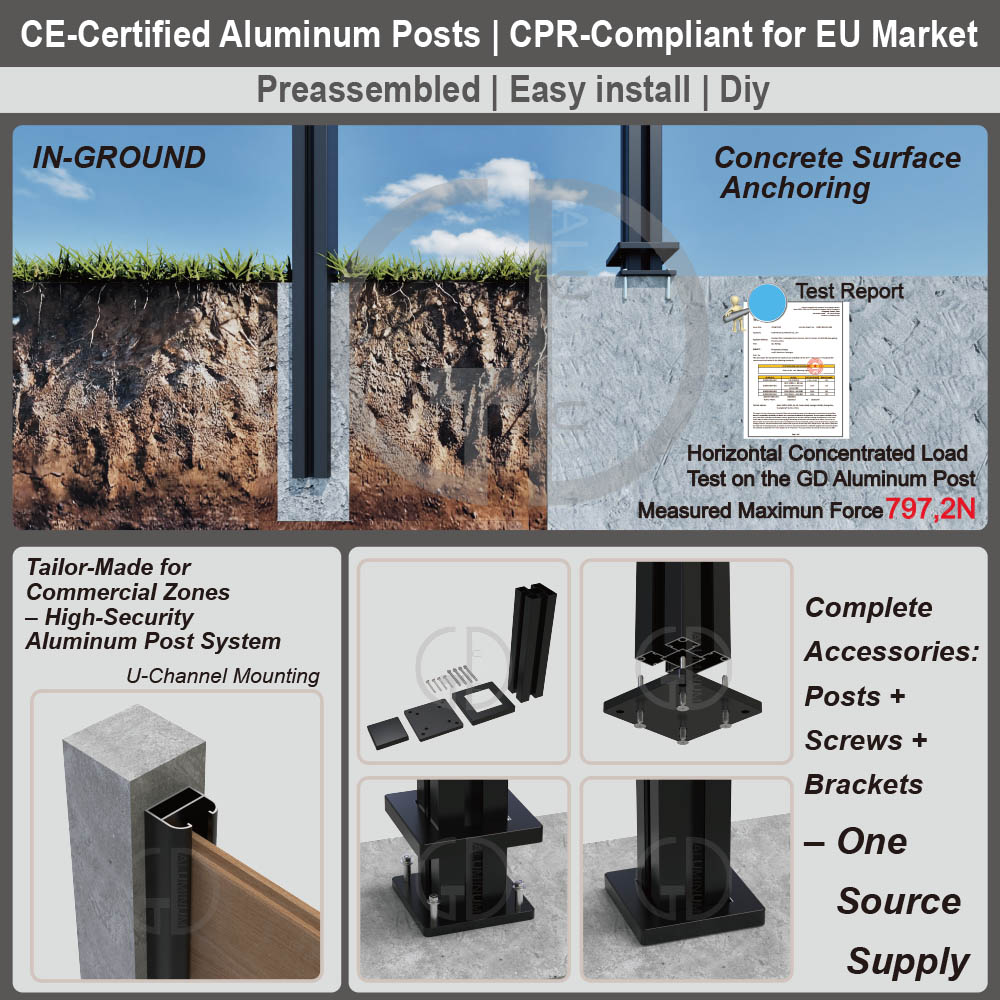
Да. Глубина установки столба, диаметр фундамента, и спецификация бетонной смеси должна быть рассчитана на расчетный ветровой момент у основания. Пост с рейтингом 510 Н/м², установленный в 300 Фундамент глубиной мм в рыхлом грунте выйдет из строя у фундамента задолго до того, как поддастся алюминий.. Наши технические данные включают таблицы минимальной глубины заглубления для трех категорий грунтов.. Для каменистых или песчаных субстратов, мы можем предложить альтернативные варианты опорных плит, которые передают момент на анкерные болты, монтируемые на поверхность, а не полагаются на опору на почву.
вопрос: Как ветровая мощность взаимодействует с гарантией от коррозии столба?
Эти два фактора связаны между собой, поскольку повреждение покрытия ветром или устойчивыми высокоскоростными солевыми брызгами ускоряет коррозию.. Наша гарантия распространяется на целостность покрытия 25 лет в нормальных атмосферных условиях, но для сайтов внутри 500 метров прибоя в зонах тайфунов, мы рекомендуем ежегодный режим проверки. Сама алюминиевая подложка структурно не разрушается только от коррозии — сплав 6063-T6 по своей природе устойчив к коррозии — но мы советуем ежегодно проверять крепления, крепящиеся к кронштейну, поскольку крепеж из нержавеющей стали в средах с высоким содержанием хлоридов может подвергаться щелевой коррозии на границе резьбы в течение нескольких десятилетий службы..